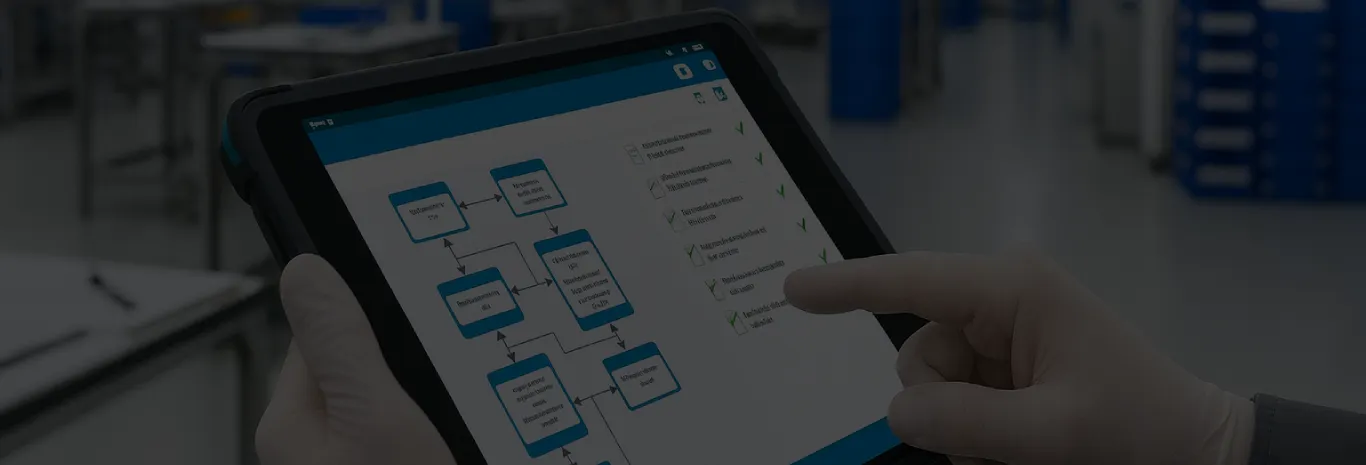
Professional Documentation and Operational Excellence Framework Creation
Transform operational knowledge into documented procedures through comprehensive SOP development services that standardize work practices, support regulatory compliance, and enable consistent high-quality manufacturing performance.
Contact Us

Standard Operating Procedure (SOP) Development
IMARC Engineering delivers comprehensive SOP development services that transform manufacturing operations into documented, repeatable processes. With extensive expertise across pharmaceutical, food processing, chemical, and industrial sectors, we provide professional documentation covering equipment operation, quality control, maintenance activities, and safety protocols throughout facility lifecycles.
Our specialized team of technical writers, process engineers, and quality specialists creates clear, actionable procedures through structured observation, expert interviews, and regulatory alignment. We document workflows, define quality criteria, set safety requirements, and develop training materials that support compliant, consistent, and effective manufacturing execution across operations, audits, workforce onboarding, and continuous improvement initiatives.
From startup documentation supporting new facilities to procedure updates addressing operational changes and comprehensive documentation programs for established operations, we partner with manufacturers requiring professional SOP development. Our approach provides regulatory-compliant documentation, user-friendly formats, systematic review processes, and change management frameworks that support operational excellence throughout manufacturing organizations.
Our Structured Standard Operating Procedure (SOP) Development Methodology
Our comprehensive approach integrates operational understanding, regulatory requirements, and effective communication. This proven methodology creates actionable procedures through systematic process analysis, stakeholder engagement, and iterative refinement.


Process Analysis and Information Gathering
Observing operations, interviewing subject matter experts, reviewing equipment manuals, and understanding regulatory requirements before documentation begins.

Draft Development and Technical Writing
Creating structured documents, incorporating safety warnings, defining quality standards, and documenting critical process parameters through clear writing.

Review and Validation Coordination
Facilitating technical reviews, incorporating stakeholder feedback, verifying procedure accuracy, and coordinating approval workflows supporting document finalization.

Implementation Support and Training Material Development
Preparing training programs, conducting procedure rollout, monitoring implementation effectiveness, and establishing periodic review schedules for maintaining document currency.
Why Choose IMARC for Standard Operating Procedure (SOP) Development
Our professional documentation delivers operational consistency through clear procedures, regulatory alignment, and practical implementation guidance. This comprehensive methodology addresses technical accuracy, regulatory compliance, user accessibility, and organizational adoption throughout manufacturing operations.

Operational Consistency and Quality Assurance
Standardize work practices through documented procedures, reducing variability, preventing errors, and supporting consistent product quality. Clear instructions guide operators through complex tasks, promoting uniform execution regardless of individual experience.

Regulatory Compliance and Audit Readiness
Satisfy GMP, ISO, FDA, and industry-specific documentation requirements through properly formatted procedures. Our regulatory expertise navigates compliance mandates producing audit-ready documentation that withstands regulatory scrutiny.

Training Foundation and Knowledge Transfer
Enable effective workforce training through clear, documented procedures. SOPs provide structured training content supporting new employee onboarding, cross-training programs, and ongoing skill development across organizations globally.

Institutional Knowledge Capture and Retention
Preserve operational expertise through documentation preventing knowledge loss during employee turnover. Written procedures capture critical know-how from experienced personnel making institutional knowledge accessible beyond individual experts.

Continuous Improvement and Change Management
Support operational evolution through systematic procedure updates. Documented processes enable controlled change implementation, impact assessment, and improvement tracking maintaining operational control during continuous enhancement programs.

Liability Protection and Quality Defense
Demonstrate due diligence through documented procedures, training records, and compliance evidence. Comprehensive SOPs support liability defense, insurance requirements, and quality system verification throughout manufacturing operations across regulated industries and global facilities.
Specialized Standard Operating Procedure (SOP) Development Across Manufacturing Sectors
IMARC Engineering delivers industry-specific procedure development backed by deep sector knowledge and regulatory expertise. Our understanding of operational requirements, compliance standards, and documentation practices supports relevant SOP creation for manufacturing environments.
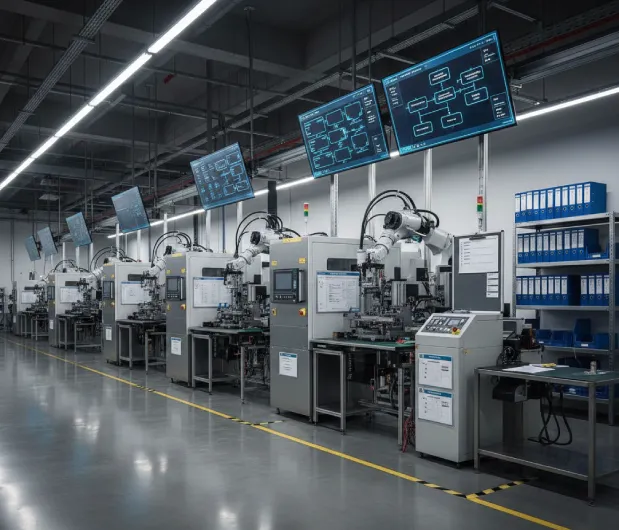
Expert SOP development for pharmaceutical manufacturing addressing GMP requirements, validation protocols, cleaning procedures, and quality control testing. We create batch record templates, equipment operation procedures, deviation handling protocols, and change control documentation throughout pharmaceutical operations meeting FDA and international regulatory standards.
Comprehensive SOP development for food processing covering HACCP procedures, sanitation protocols, production operations, and quality control. We document critical control points, cleaning validation, allergen management, and traceability procedures throughout food manufacturing operations meeting food safety regulatory standards.
Detailed SOP development for chemical processing covering batch operations, equipment operation, safety protocols, and environmental compliance. We document process control, sampling procedures, quality testing, emergency response, and hazardous material handling throughout chemical manufacturing operations.
Advanced SOP development for technology manufacturing covering cleanroom protocols, precision assembly, testing procedures, and quality control. We document contamination control, electrostatic discharge protection, equipment calibration, and yield optimization throughout technology production operations.
Specialized SOP development for power generation facilities covering startup procedures, operational protocols, emergency response, and maintenance activities. We document control room operations, equipment monitoring, safety systems, and regulatory compliance procedures throughout power generation operations.
Comprehensive SOP development for agricultural processing covering receiving procedures, processing operations, storage protocols, and quality control. We document sanitation practices, pest control, traceability systems, and food safety procedures throughout agricultural production operations.
Expert SOP development for automotive manufacturing covering assembly operations, quality inspection, equipment maintenance, and production control. We document work instructions, visual standards, error-proofing procedures, and continuous improvement protocols throughout automotive production operations.
Specialized SOP development for infrastructure operations covering material production, equipment operation, quality control, and safety procedures. We document batch plant operations, testing protocols, maintenance procedures, and environmental compliance throughout infrastructure support operations.
Comprehensive SOP development for industrial manufacturing covering equipment operation, quality control, maintenance procedures, and safety protocols. We document production processes, material handling, inventory management, and standard work practices throughout general manufacturing operations supporting consistent effective production.
Trusted by Industry Leaders
We partner with global enterprises and ambitious businesses across sectors to deliver operational excellence, strategic insights, and sustainable growth through integrated solutions.
Success in Their Words
Real feedback from clients across industries. Discover how our solutions delivered measurable impact and operational excellence.
I wanted to express my sincere appreciation for your efforts in handling this matter. Your dedication and commitment have been truly commendable, and it is evident that you have put in tremendous hard work and expertise into resolving the issues at hand. We are greatly interested in continuing our collaboration with you in the future, as your professionalism and reliability have made you a trusted partner. Thank you once again for your invaluable contribution. We look forward to strengthening our partnership ahead.
It has been a pleasure working with the IMARC team. The insights provided were structured, clear, and highly valuable, helping us strengthen both our technical and financial planning with confidence. We deeply appreciate the team’s professionalism, responsiveness, and attention to detail throughout the engagement. Every requirement was well understood and effectively incorporated, resulting in a comprehensive and actionable output. Overall, our experience has been excellent, and I would gladly recommend IMARC to organizations seeking a reliable research partner.
Your service is truly exceptional. Working with the IMARC team has been a seamless and professional experience. The clarity of communication, responsiveness to queries, and consistent support at every stage made the entire engagement highly efficient. The insights shared were well-structured, practical, and perfectly aligned with our requirements, helping us make informed decisions with confidence. Overall, the dedication and professionalism demonstrated by your team stand out, and I would be glad to recommend IMARC as a reliable and trustworthy research partner.
IMARC did an outstanding job in preparing our study. They were punctual, precise, and consistently responsive throughout the entire process. The team delivered all the data we required in a clear, well-organized, and highly professional format. Their strong attention to detail, combined with their ability to meet every deadline without compromising quality, truly set them apart. Overall, their reliability and commitment made them an exceptional partner for our project, and we would gladly work with them again in the future.

IMARC made the whole process incredibly easy from start to finish. Everyone I interacted with via email was polite, professional, and straightforward to deal with, always keeping their promises regarding delivery timelines and remaining consistently solutions-focused. From my very first contact, I appreciated the professionalism and support shown by the entire IMARC team. I highly recommend IMARC to anyone seeking timely, affordable, and reliable information or advice. My experience with IMARC was excellent, and I truly cannot fault any aspect of it.
I’d like to express my sincere gratitude for the excellent work you accomplished with the study. Your ability to quickly understand our requirements and deliver high-quality results under tight timelines truly reflects your expertise, exceptional work ethic, and unwavering commitment to your customer’s success. The professionalism and responsiveness you demonstrated throughout the process made a significant difference. Our entire team and company are incredibly thankful for your dedication, reliability, and support. Once again, thank you for your outstanding contribution.
Frequently Asked Questions
We have compiled answers to the most common questions manufacturers, quality managers, and operations directors ask about SOP development. These insights address critical concerns around documentation requirements, implementation approaches, regulatory compliance, and maintenance strategies.
Ready to Formalize Your Operational Excellence?
Contact our documentation specialists today to discuss your SOP development needs and discover how IMARC Engineering can deliver comprehensive procedures supporting consistent compliant manufacturing operations.