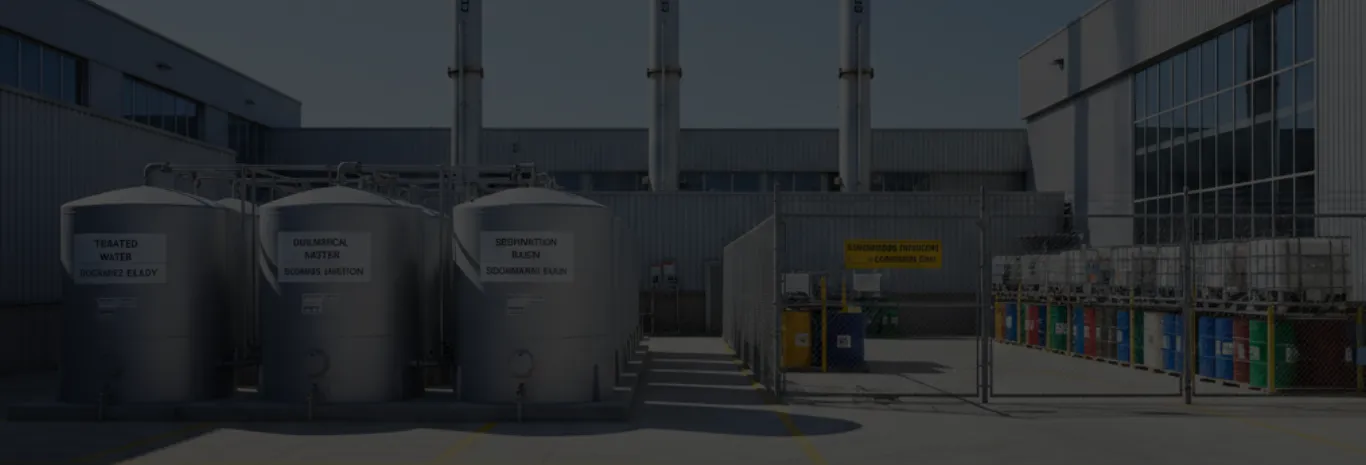
Safeguard Operations Through Proactive Environmental Stewardship
Protect your environmental standing through compliance audits that identify regulatory gaps and establish sustainable practices meeting environmental obligations while supporting operational continuity and stakeholder confidence.
Contact Us
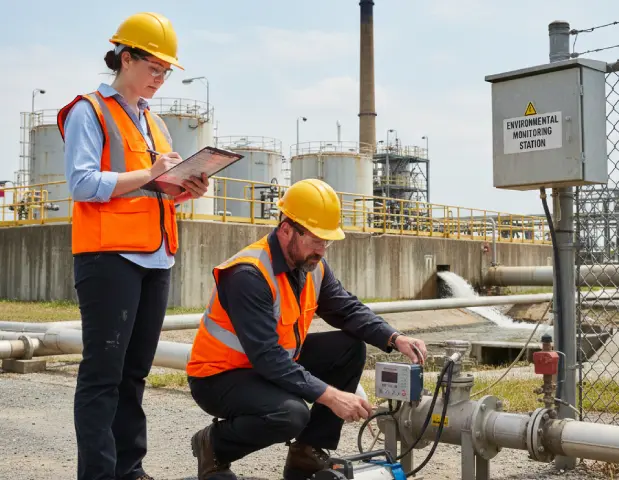
Environmental Compliance Audits
IMARC Engineering delivers comprehensive environmental compliance audits helping manufacturers navigate complex environmental regulations while establishing sustainable operational practices. With extensive expertise across pharmaceuticals, chemicals, food processing, energy, manufacturing, and industrial sectors, we provide strategic environmental solutions addressing air quality, water discharge, waste management, and hazardous material handling requirements.
Our multidisciplinary team of environmental engineers, regulatory specialists, and compliance experts conducts evaluations of facility permits, operational practices, monitoring systems, documentation procedures, and environmental management frameworks. We identify regulatory gaps, assess compliance status, evaluate environmental risks, and develop remediation roadmaps that strengthen performance while reducing liability exposure.
From environmental baseline assessments to management system audits and permit compliance verification, we support manufacturers building environmental programs. Our services include applicability analysis, permit compliance evaluation, system development, monitoring program design, spill prevention planning, and improvement frameworks enabling sustained compliance and reduced risk.
Our Comprehensive Approach to Environmental Compliance Audits
Our audit methodology brings together regulatory expertise, facility assessments, and documentation reviews to evaluate environmental compliance. This approach ensures we identify regulatory gaps, operational risks, and improvement opportunities while strengthening your organization’s capabilities.


Regulatory Applicability & Permit Review
We identify applicable environmental regulations, review permit requirements, evaluate authorization status, assess compliance obligations, and determine gaps that need attention or permit modifications.

Facility Inspection & Operational Assessment
We conduct detailed facility walkthroughs, examine air emission sources, evaluate wastewater discharge practices, assess waste management procedures, and review hazardous material handling compliance

Documentation Review & Record Verification
We evaluate monitoring records, review compliance reports, verify recordkeeping practices, assess training documentation, and examine environmental management system documentation against regulatory requirements.

Gap Analysis & Improvement Roadmap Development
We identify compliance deficiencies, prioritize remediation based on regulatory risk, develop corrective action plans, provide implementation guidance, and establish monitoring systems to prevent future violations.
Why Choose IMARC for Environmental Compliance Audits
Our approach combines regulatory knowledge, technical expertise, and practical implementation experience to deliver actionable compliance improvements. We balance regulatory requirements with operational realities while building environmental management capabilities that support both compliance obligations and sustainability objectives.

Multi-Media Regulatory Expertise
Benefit from comprehensive knowledge spanning air quality, water discharge, waste management, hazardous materials, and environmental management regulations. Our cross-functional expertise addresses all environmental compliance dimensions systematically across industries and jurisdictions.

Industry-Specific Environmental Knowledge
We bring sector experience addressing environmental challenges across pharmaceuticals, chemicals, food processing, and manufacturing, identifying industry-specific compliance risks that demand specialized evaluation beyond generic approaches.

Risk-Based Prioritization
Receive prioritized remediation roadmaps focusing resources on the highest risk compliance gaps. We balance regulatory severity with implementation feasibility, recommending cost-effective solutions that deliver meaningful, measurable risk reduction across regulated operations.

Regulatory Enforcement Perspective
Anticipate regulatory scrutiny through audits informed by enforcement priorities and inspection protocols. Our team understands regulator focus areas, enabling proactive compliance strengthening before inspections, findings, penalties, or enforcement actions occur.

Practical Compliance Solutions
We help you implement realistic corrective actions that balance regulatory requirements with operational constraints. Our solutions consider technical feasibility, cost effectiveness, and operational impacts while avoiding unnecessary complexity or expense.

Sustainability Integration
We transform compliance obligations into sustainability opportunities through integrated strategies. Our approach identifies efficiency improvements, waste reduction opportunities, and resource conservation measures that deliver both compliance and operational benefits.
Environmental Compliance Audit Expertise Across Manufacturing Sectors
IMARC Engineering develops industry-specific environmental compliance audits addressing unique regulatory frameworks, environmental impacts, and operational challenges. Our sector expertise guarantees audit evaluations recognize industry-specific compliance requirements while supporting both regulatory standing and genuine environmental stewardship.
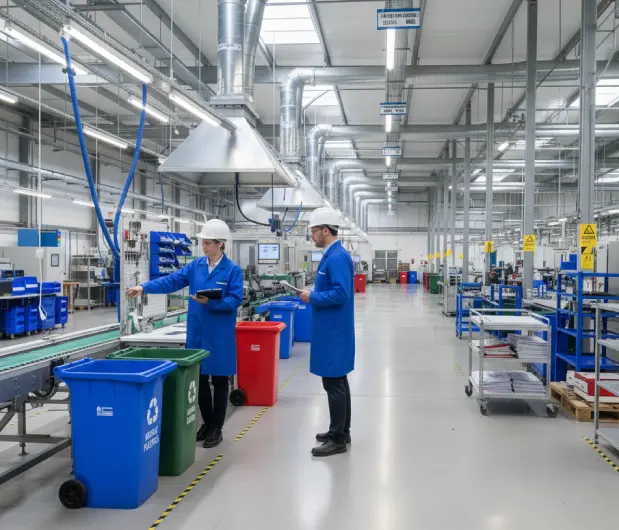
Environmental compliance audits for pharmaceutical operations focus on solvent emissions, wastewater compliance, pharmaceutical waste management, API handling, potent compound controls, and monitoring programs. We review solvent emission requirements, pretreatment standards, hazardous waste obligations, destruction documentation, containment integrity, and monitoring systems supporting compliant pharmaceutical manufacturing.
Key environmental compliance risks in food and beverage operations include wastewater discharge, solid waste management, refrigeration requirements, ammonia handling, packaging waste, and odor control. Our audits assess pretreatment for BOD and FOG, organic waste programs, ozone-depleting substance requirements, ammonia risk plans, recycling practices, and air permits supporting compliant food processing operations.
For chemical manufacturing facilities, environmental compliance audits evaluate process air emissions, wastewater treatment systems, hazardous waste management, storage tanks, spill planning, and emergency preparedness. We review VOC controls, hazardous air pollutant requirements, pretreatment obligations, RCRA compliance, risk management planning, and toxic reporting, supporting safe and compliant chemical production.
Environmental compliance audits conducted for technology manufacturing operations examine cleanroom air systems, chemical management practices, semiconductor wastewater handling, electronic waste management, hazardous material storage, and monitoring programs. We assess emission permits, discharge authorizations, waste determinations, universal waste requirements, and environmental health programs supporting compliant technology operations.
Audit scopes for energy and power operations include air permitting, cooling water requirements, ash management, chemical storage, and greenhouse gas reporting. We evaluate emissions monitoring programs, discharge limits, combustion residual compliance, storage tank requirements, spill prevention plans, and renewable energy considerations supporting reliable and compliant energy operations.
Environmental compliance audits in agricultural operations address pesticide compliance, fertilizer application practices, runoff control, CAFO requirements, water quality protection, and agricultural waste management. We evaluate applicator certifications, nutrient management plans, erosion controls, facility permits, groundwater protection measures, and soil conservation practices supporting environmentally responsible agricultural operations.
For automotive manufacturing facilities, environmental compliance audits focus on paint emissions, coating compliance, wastewater discharge, hazardous waste management, fuel storage, and spill prevention. We review VOC permits, pretreatment requirements for metals and oils, solvent waste handling practices, universal waste obligations, tank regulations, and stormwater programs supporting compliant automotive operations.
Environmental compliance audits supporting infrastructure projects assess processing emissions, stormwater management, concrete washout controls, asphalt compliance, dust management, and construction practices. We evaluate air permits, stormwater plans, erosion controls, concrete waste handling procedures, fuel storage compliance, and site impact controls supporting environmentally responsible project execution.
Across general manufacturing operations, environmental compliance audits evaluate air emissions, wastewater compliance, waste management practices, storage tanks, stormwater controls, and spill prevention systems. We assess Clean Air Act requirements, Clean Water Act obligations, RCRA compliance, toxic reporting requirements, and environmental management system implementation, developing compliance strategies that reduce environmental impact and regulatory risk.
Trusted by Industry Leaders
We partner with global enterprises and ambitious businesses across sectors to deliver operational excellence, strategic insights, and sustainable growth through integrated solutions.



Success in Their Words
Real feedback from clients across industries. Discover how our solutions delivered measurable impact and operational excellence.

I wanted to express my sincere appreciation for your efforts in handling this matter. Your dedication and commitment have been truly commendable, and it is evident that you have put in tremendous hard work and expertise into resolving the issues at hand. We are greatly interested in continuing our collaboration with you in the future, as your professionalism and reliability have made you a trusted partner. Thank you once again for your invaluable contribution. We look forward to strengthening our partnership ahead.

It has been a pleasure working with the IMARC team. The insights provided were structured, clear, and highly valuable, helping us strengthen both our technical and financial planning with confidence. We deeply appreciate the team’s professionalism, responsiveness, and attention to detail throughout the engagement. Every requirement was well understood and effectively incorporated, resulting in a comprehensive and actionable output. Overall, our experience has been excellent, and I would gladly recommend IMARC to organizations seeking a reliable research partner.
Your service is truly exceptional. Working with the IMARC team has been a seamless and professional experience. The clarity of communication, responsiveness to queries, and consistent support at every stage made the entire engagement highly efficient. The insights shared were well-structured, practical, and perfectly aligned with our requirements, helping us make informed decisions with confidence. Overall, the dedication and professionalism demonstrated by your team stand out, and I would be glad to recommend IMARC as a reliable and trustworthy research partner.
IMARC did an outstanding job in preparing our study. They were punctual, precise, and consistently responsive throughout the entire process. The team delivered all the data we required in a clear, well-organized, and highly professional format. Their strong attention to detail, combined with their ability to meet every deadline without compromising quality, truly set them apart. Overall, their reliability and commitment made them an exceptional partner for our project, and we would gladly work with them again in the future.

IMARC made the whole process incredibly easy from start to finish. Everyone I interacted with via email was polite, professional, and straightforward to deal with, always keeping their promises regarding delivery timelines and remaining consistently solutions-focused. From my very first contact, I appreciated the professionalism and support shown by the entire IMARC team. I highly recommend IMARC to anyone seeking timely, affordable, and reliable information or advice. My experience with IMARC was excellent, and I truly cannot fault any aspect of it.
I’d like to express my sincere gratitude for the excellent work you accomplished with the study. Your ability to quickly understand our requirements and deliver high-quality results under tight timelines truly reflects your expertise, exceptional work ethic, and unwavering commitment to your customer’s success. The professionalism and responsiveness you demonstrated throughout the process made a significant difference. Our entire team and company are incredibly thankful for your dedication, reliability, and support. Once again, thank you for your outstanding contribution.
Frequently Asked Questions
We have compiled answers to common questions investors and manufacturing leaders ask about environmental compliance audits. These insights address audit scope, investment requirements, liability implications, regulatory expectations, and strategic value of proactive environmental management.
Ready to Strengthen Environmental Compliance?
Contact IMARC Engineering today to discuss your environmental assessment needs and discover how our environmental compliance audits can reduce regulatory risks, enhance environmental performance, and position your organization for sustainable operational excellence.